Easy read and translate

Helpful activities for balance, coordination and stability

Children and young people with developmental coordination disorder (DCD) or dyspraxia can struggle with their gross motor skills. Gross motor skills are skills that use your whole body like balance, coordination and stability.
There are lots of activities and exercises you can do with your child or young person. which will help improve their gross motor skills. Your child or young person will need to do these regularly to improve. Remember, there are no 'right' or 'wrong' activities.
Explore the topics on this page:
Encouraging your child or young person to do activities
Encouraging your child or young person to do activities
Coordination skills can develop slowly. You may not see a lot of improvement when you start doing the activities. It may take months or years to see progress. This is completely normal.
It can be frustrating for you and your child or young person. Try to keep doing the activities and you will see improvement. If you can, try to build some of these activities into the weekly routine. Make sure to include the activities your child or young person really enjoys.
As your child or young person improves, you may want to change the exercises to make them a little harder. This can challenge them and keep them interested in the exercises.
Remember to reward your child or young person! A reward or certificate can make a world of difference to someone who is not used to succeeding. Some children and young people do not regularly feel like they have done well in tasks or activities. This can have a big affect on their self-esteem and self-worth.
We have made a certificate for you to print at home, the post office or local library. You could also give them a choice of reward, such as:
- having a carpet or garden picnic
- choosing a game for the family to play
- going to the library to choose a book
- going to the zoo or indoor playground
Downloads
Indoor exercises
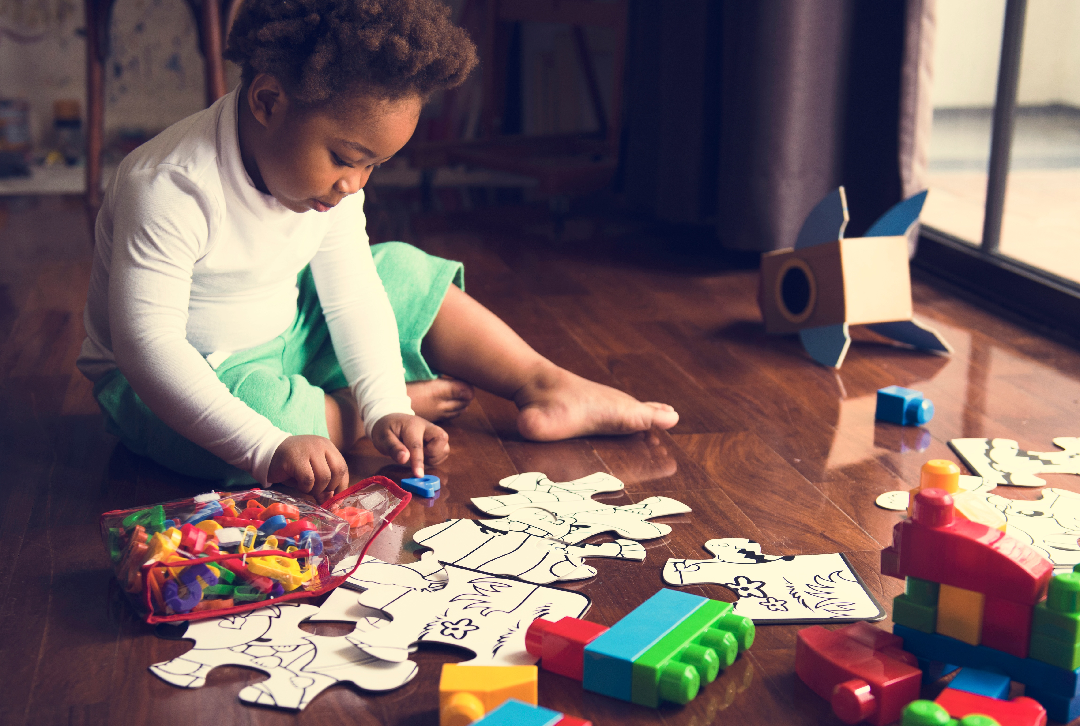
Some children and young people find it hard to control the muscles around their shoulders and hips. This can make it harder for them to hop or kick a football. It can also affect their fine motor skills, also known as hand skills.
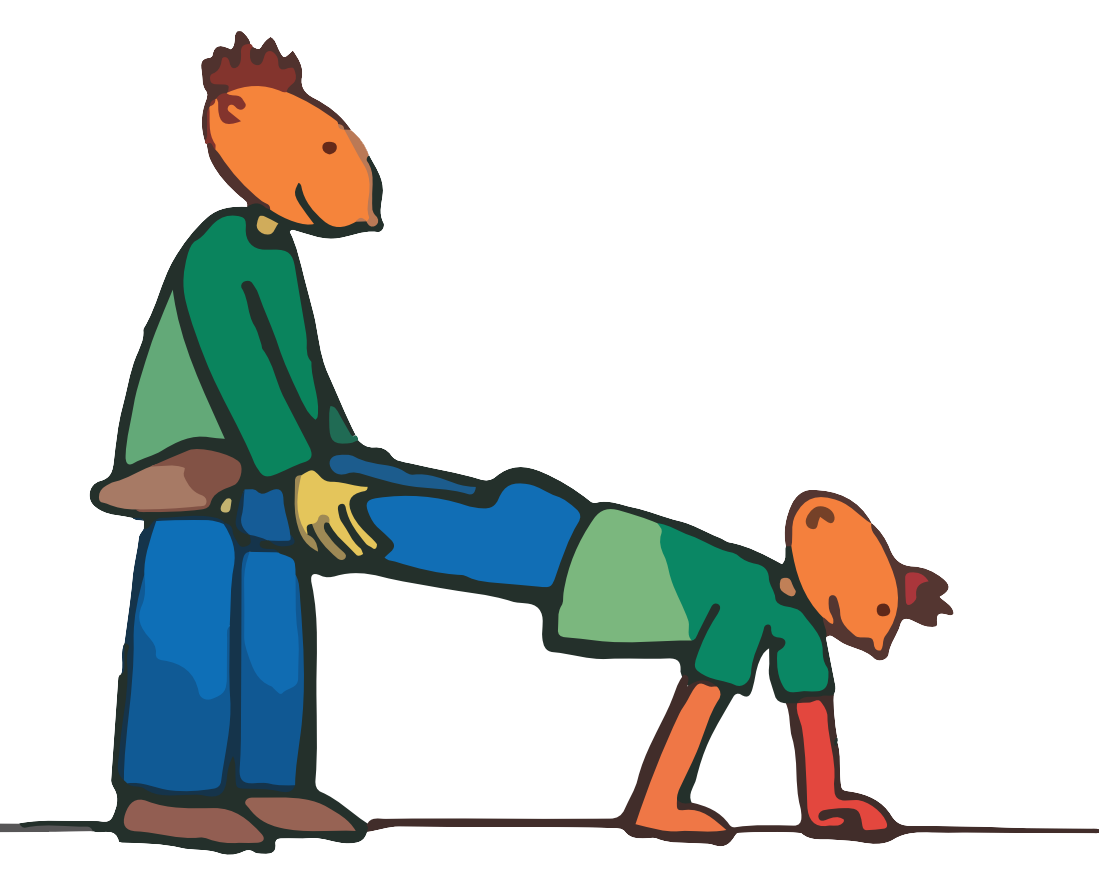
Your child or young person should do these exercises slowly and in a controlled way. This helps build up the muscle stability. If your child or young person is struggling to keep their balance, support them at their hips.
Their balance will improve over time and you will no longer need to support their hips.
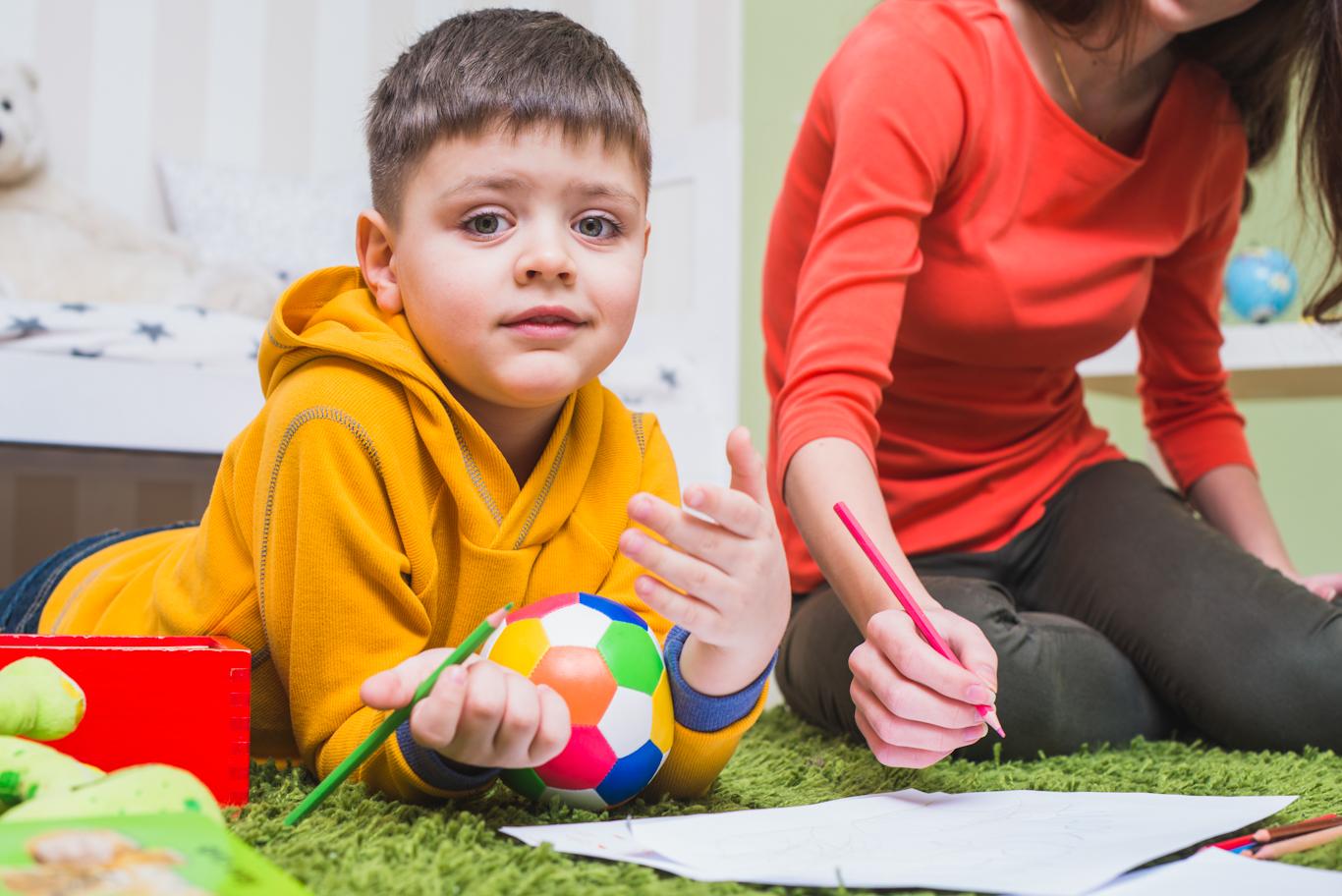
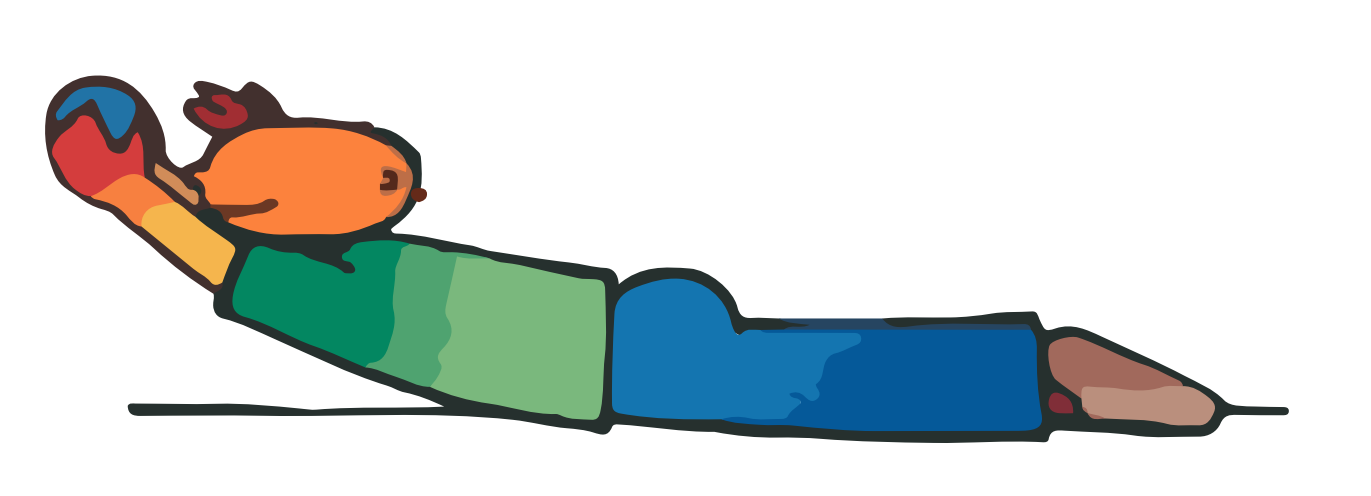
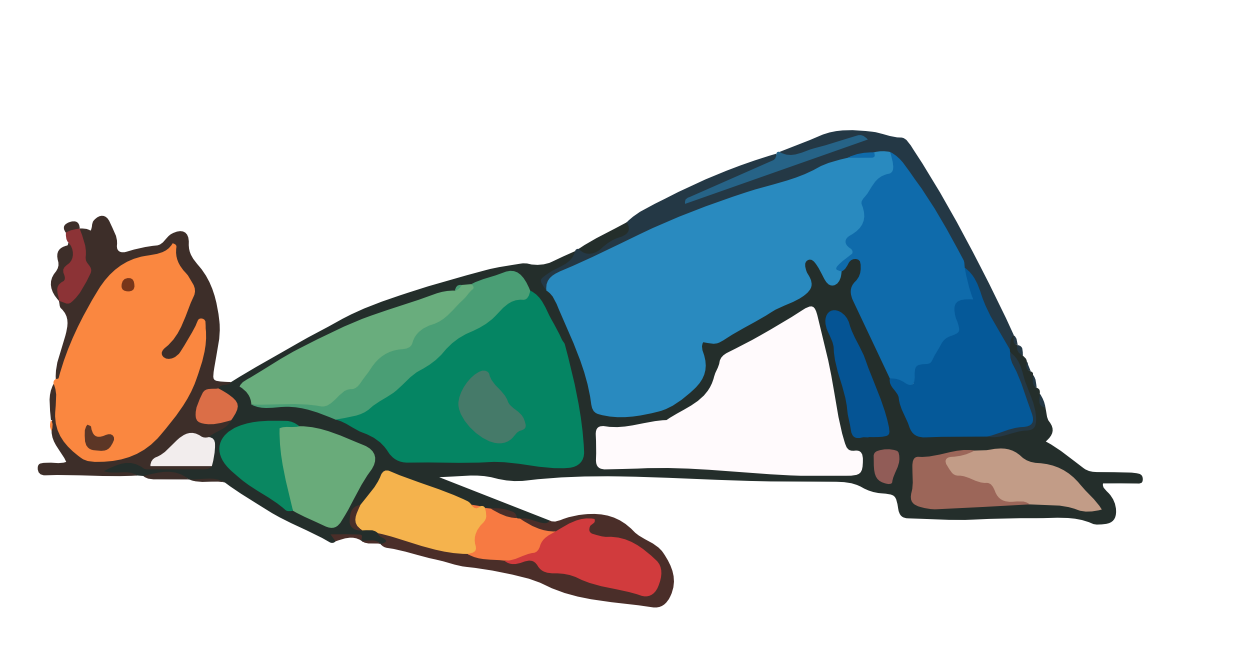
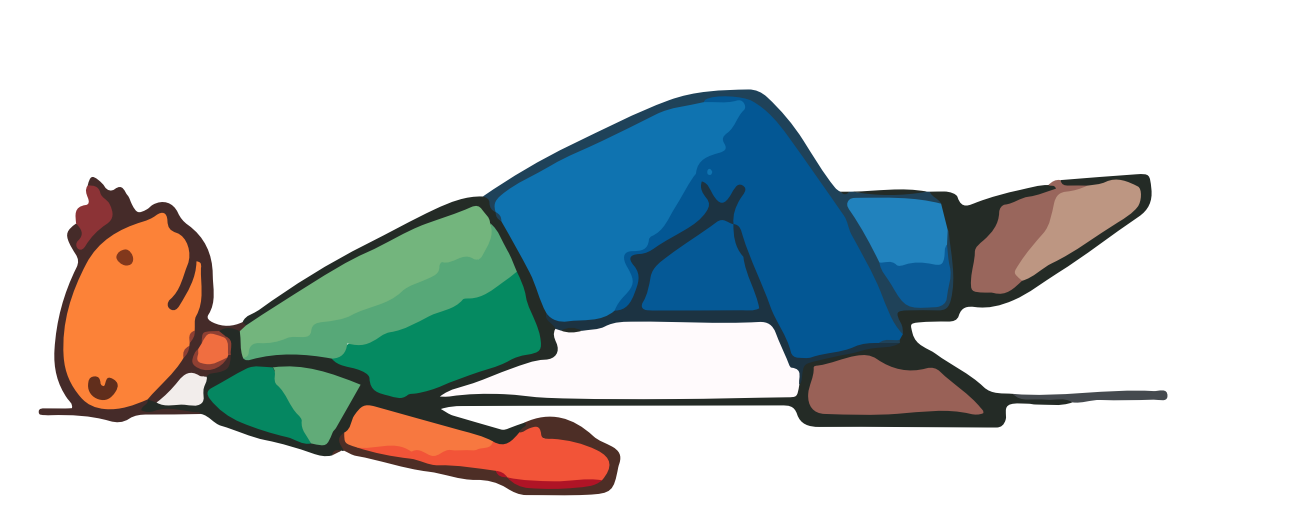
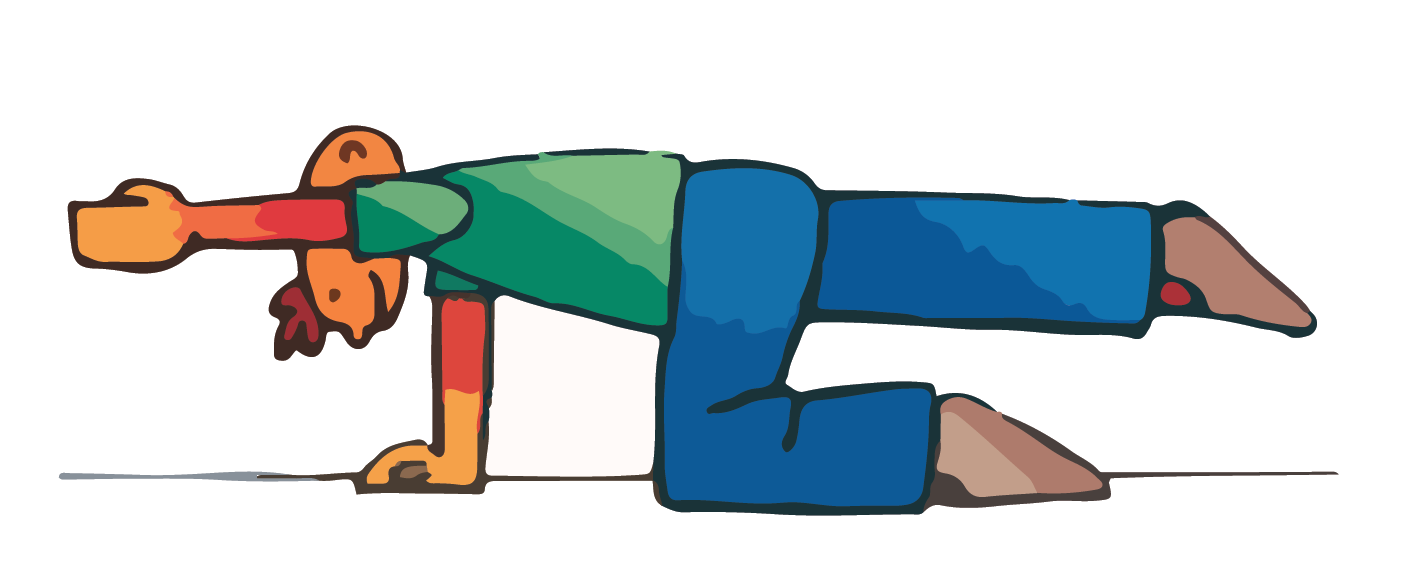
Space hopper and therapy ball activities
Exercises with a space hopper or therapy ball can improve balance, body awareness and stability.
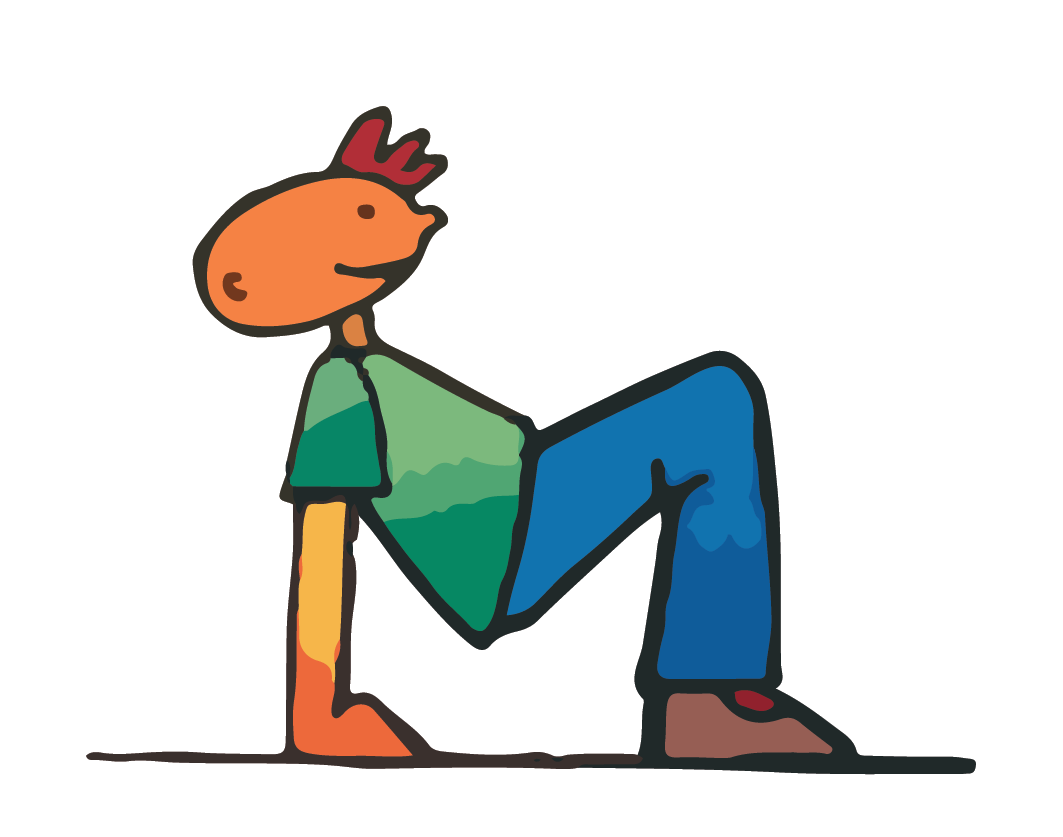
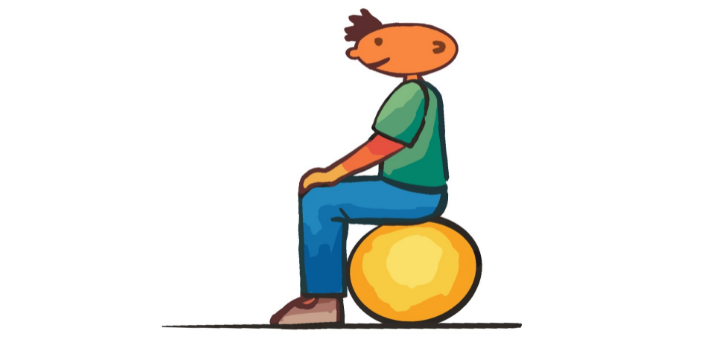
Your child or young person should sit on the space hopper or therapy ball like a stool.
- Feet should be flat on the floor.
- Knees should be directly above their ankles.
- Knees should be in line with their hips.
- Knees and feet should be hip width apart.
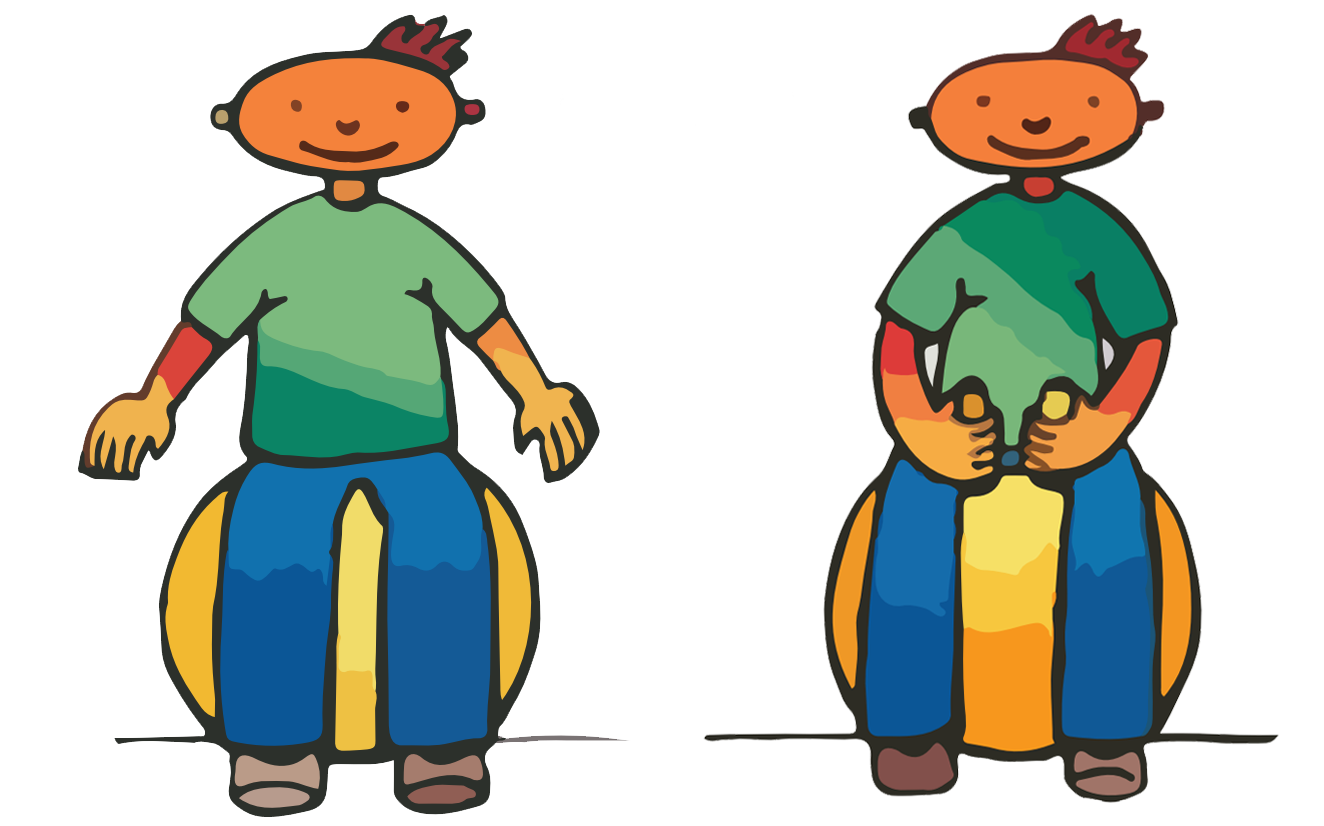
If you are using a space hopper, turn the space hopper around so your child or young person cannot use the handles. This will help your child or young person develop their balance, body awareness and stability.
There is an activity that uses the handles on the space hopper. Use the space hopper handles for this exercise.
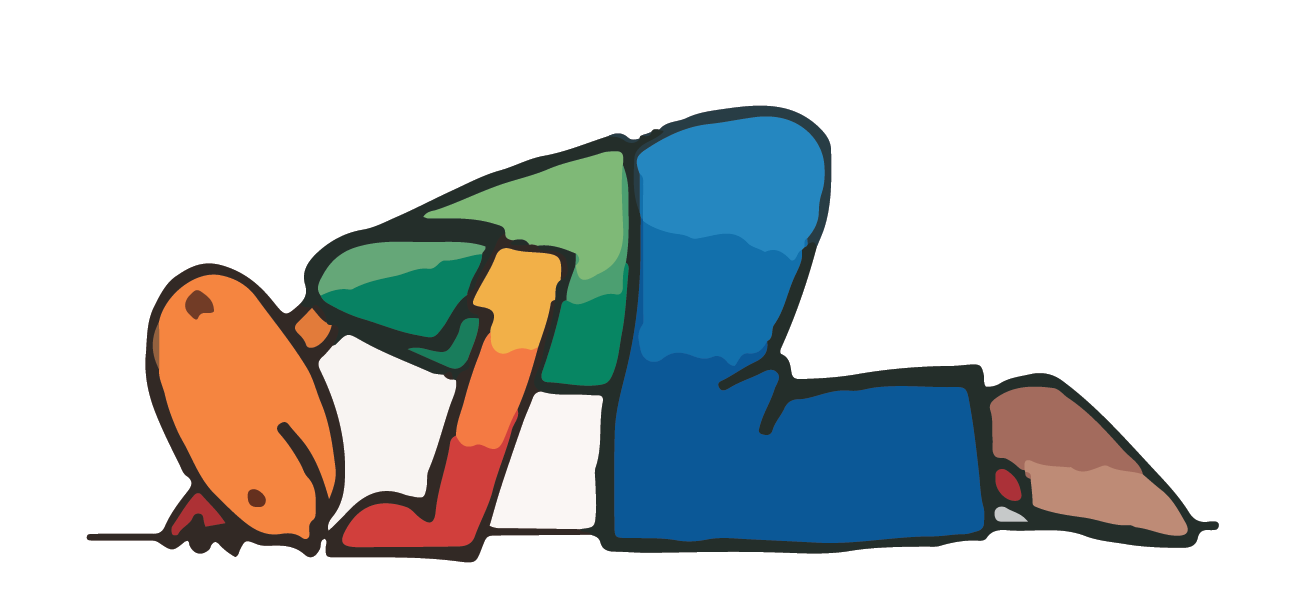
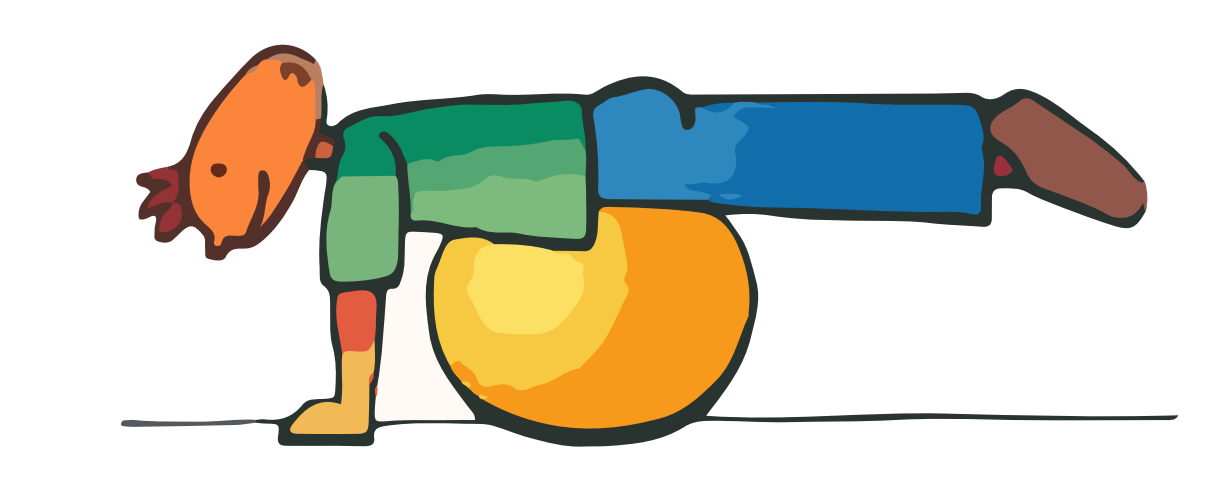
Some exercises require your child or young person to lie on a space hopper or therapy ball.
- Ask your child to lay on the space hopper or therapy ball on their tummy with their hands flat on the floor. They fingers should point forwards.
- Their knees should be straight.
- Their hands should be directly under their shoulders.
- Make sure their elbows are slightly bent and not 'locked'.
If you are using a space hopper, turn the space hopper around, so the handles are at the side. This will stop the handles poking your child or young person as they do the exercises.
Activities and exercises
There are lots of activities your child or young person can do using a space hopper or therapy ball.
- Sit on the space hopper or therapy ball and bounce while keeping feet on the floor. Remember not to hold on to the handles.
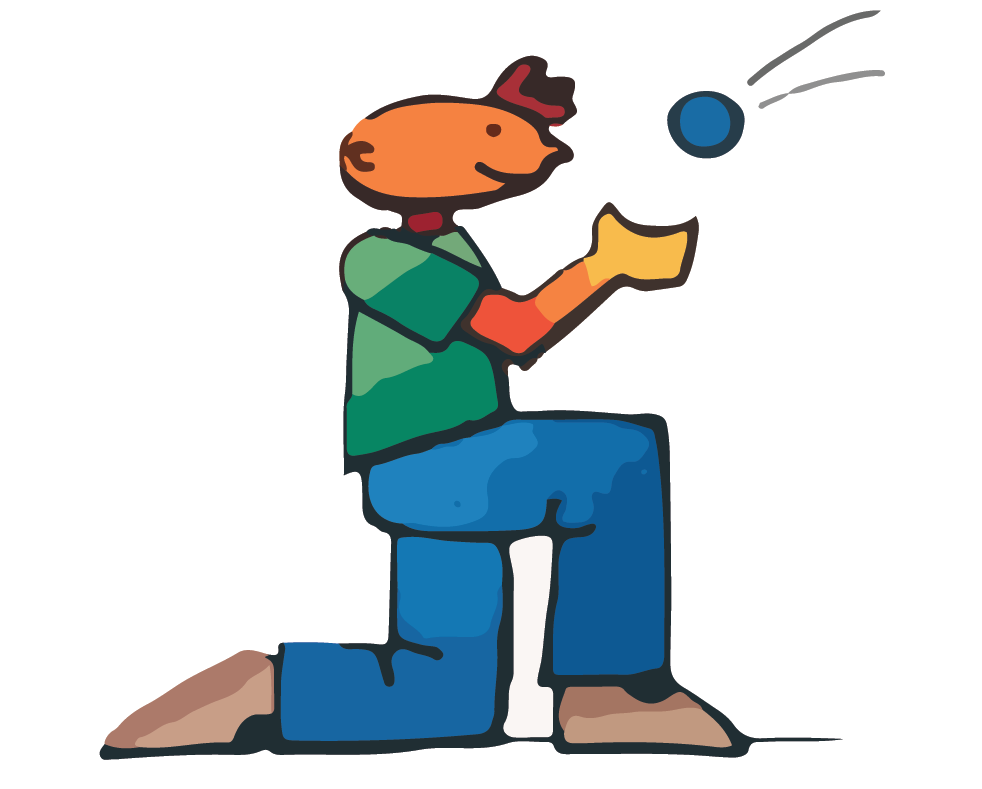
- Sitting on the space hopper or therapy ball to catch and throw a ball. As your child or young person's balance improves, you can make the activity harder. Increase the distance they have to reach for the ball by changing the angle of your throw.
- Doing a tabletop activity while using the space hopper or therapy ball as a chair. For example reading a book, watching TV or drawing. They will need to sit up and keep the position throughout the activity.
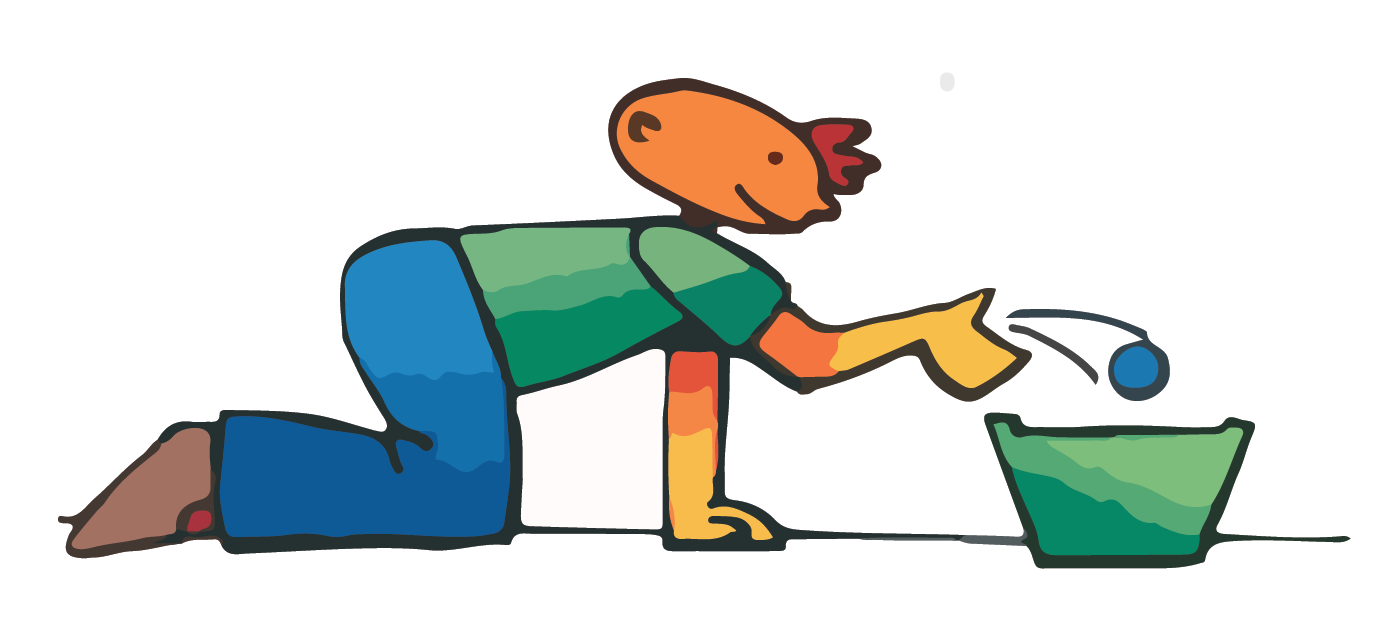
- Sitting on the space hopper or therapy ball while taking beanbags or soft toys and throwing them into a box. You can hold the beanbag or soft toy in front of them or to the side.
- Hopping along on the space hopper with their feet on the floor. They will need to hold onto the space hopper handles to move the hopper forward.
- Doing an activity while lying across a space hopper or therapy ball. This could be an activity like a jigsaw or throwing bean bags into a box.
- Walking their hands forwards and backwards while lying on a space hopper or therapy ball. When they walk their hands forwards, their lower legs should be holding them up off the floor on the ball. When they walk their hands backwards, their stomach should be over the hopper.
Outdoor activities at home
If possible, let your child or young person do outdoor activities at home. These activities can be done outside in a garden, a communal space, or indoors if appropriate.
The activities could be:
- riding a bicycle
- using a skateboard or scooter
- rollerblading
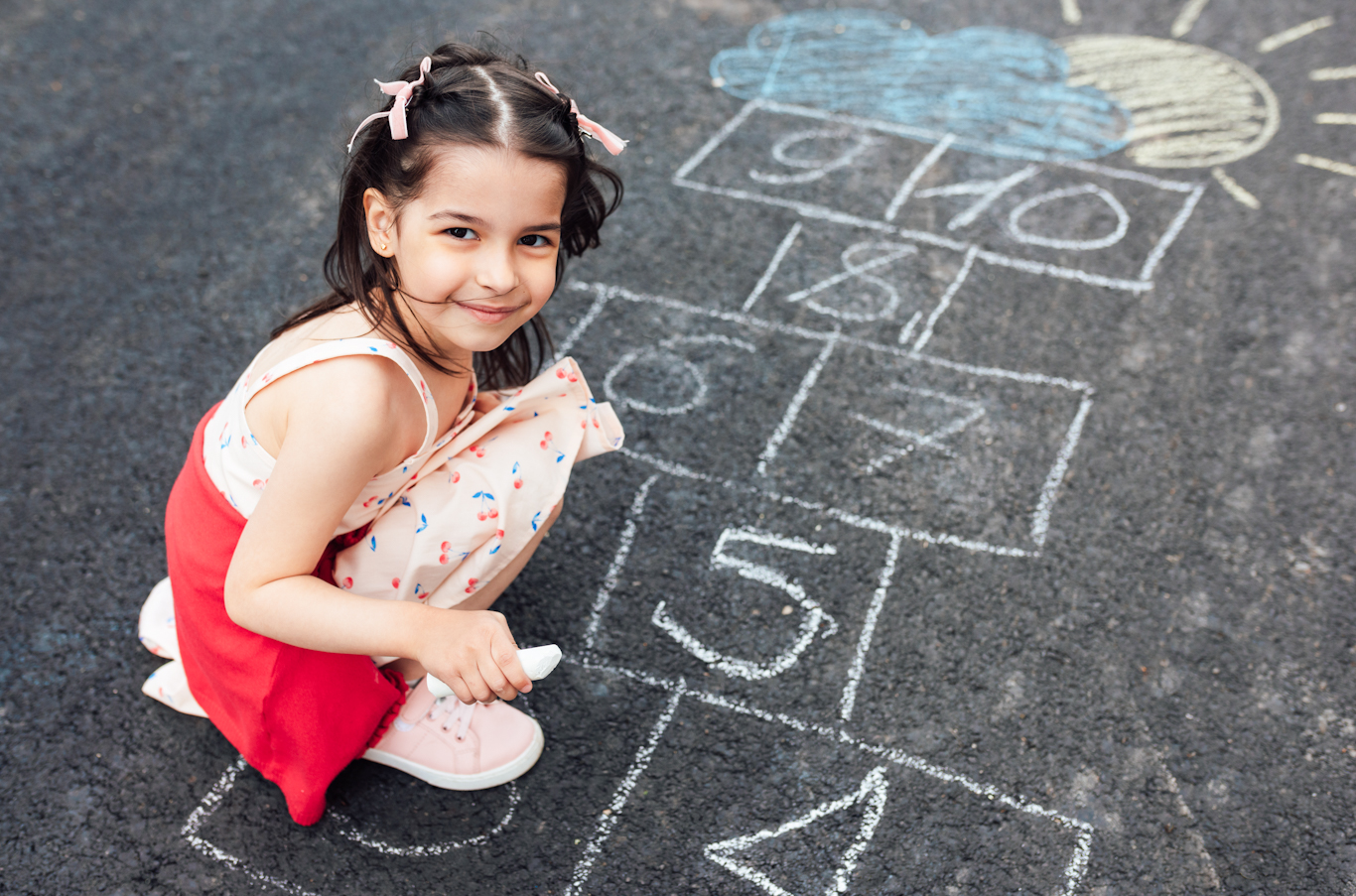
- skipping and hopping games like hopscotch
- throwing and catching a large ball or balloon
- playing tug-of-war
- gardening
You can also do wheelbarrow walking with your child. This is when you hold their legs up as they walk on their hands.
If your child is struggling to hold themselves up, they can start by lying on their stomach on an exercise ball or footstool. This will support their body with outstretched arms.