Easy read and translate

Developmental coordination disorder (DCD or dyspraxia)
- SEND
- Child development and growing up
- Moving and being active
Developmental coordination disorder is also known as DCD, dyspraxia or Specific Developmental Disorder of Motor Function. It affects coordination. DCD can make everyday activities harder like writing or playing sports. Children and young people with DCD can appear 'clumsy' or 'messy'.
DCD is a type of neurodiversity. Neurodiversity is a different way the brain processes information. It affects both children and adults. You cannot 'grow out' of DCD.
Differences between dyspraxia and DCD
People often use the terms DCD and dyspraxia to describe the same condition.
Developmental coordination disorder (DCD) is a medical diagnosis. It is when someone has a lot more difficulties with their movement than expected for their age. DCD can make everyday activities more difficult, such as writing, dressing, riding a bike or playing sports.
Dyspraxia is not a medical diagnosis, and can have several meanings. In paediatric occupational therapy it refers to difficulties with planning, organising and carrying out movements in the right order.
Traits of DCD
DCD has a wide range of traits. It affects coordination, including fine motor skills (hand skills) and gross motor skill (whole body movements). It affects balance and spatial awareness. Other traits include difficulties with planning, organising, concentrating and following instructions.
Fine motor skill (hand skill) difficulties
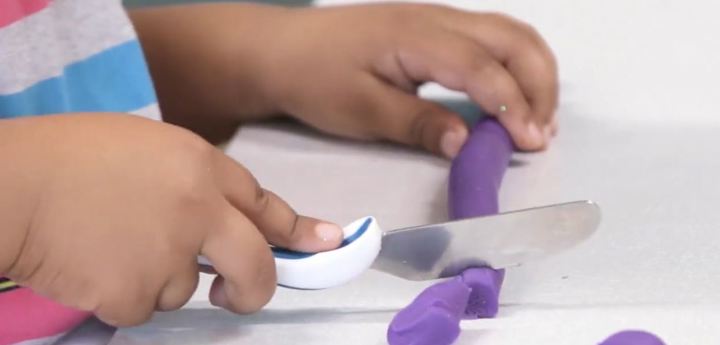
- Personal care like using cutlery, washing themselves and toileting.
- Getting dressed like doing up buttons, tying shoelaces and putting clothes on the right way round.
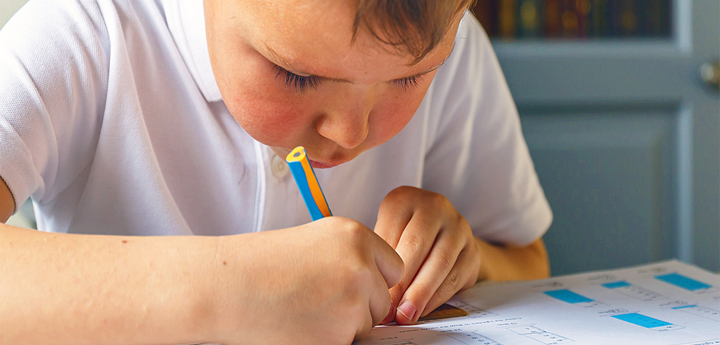
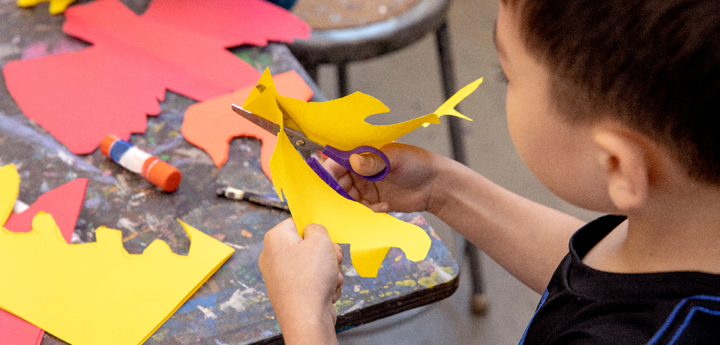
- School activities like arts and crafts, handwriting, drawing and using scissors.

Gross motor skill (whole body movement skill) difficulties
- Ball skills, including difficulties with throwing, catching and kicking a ball.
- Coordination like having poor balance, dropping objects, bumping into things and falling over.
- Learning new tasks and activities like riding a bike.
- Reduced muscle strength. This can impact the ability to sit upright, appearing floppy and using too much or too little force.

Other difficulties
- Organising and planning like losing clothes, keys or other objects.
- Low self-esteem and difficulties making friends. They may avoid team activities and games.
- Concentrating or sitting still.
- Following instructions.
DCD is unique to each child or young person. It can affect children and young people in different ways.
Having DCD can make learning to do daily activities and sports more difficult. But it does not mean your child or young person won't be able to learn these skills. It will just take them longer or they may need more practice than other children or young people.
Parenting a child or young person with DCD
There are several strategies you can use to help your child or young person.
Give them extra time. Your child or young person may be able to do the task but it can take them a little longer. Give them the time to complete the task, activity or exercise. For example, if they struggle with getting dressed for school, try waking up a little earlier to give them more time. Or help them to lay out their uniform the night before.
Avoid pressuring them. The extra stress won't help them. It can make things much harder for your child or young person with DCD.
Practice 'little and often'. It is the best way to learn new activities and skills. 10 minutes a day everyday is better one hour long session weekly.
Break down tasks into smaller steps. This will make the tasks easier to follow and remember. You can do this with everyday tasks like doing the dishes or getting dressed.
As your child or young person practices improves, make the tasks a little harder. This helps them to keep improving and learn new skills.
Have lots of chances to practice activities and exercise. This can be anywhere like at home or at school.
Vary their movement exercises. This will help them to use these skills in different situations. For example, you can vary throwing and catching by using different sizes and weights of balls. You can also throw the ball from different directions or in different positions.
Talk about ways to make a task or activity easier. If your child or young person is struggling, try talking to them about different ways to do the activity. New activities can be hard to learn. Your child or young person may need some extra time to develop their skills. Read about CO-OP approach online training to support this.
Try backward chaining. Break down each part of a task into steps. Teach your child the final step of the sequence first. When your child or young person can complete the final stage by themselves, you can add the step before. Continue backward chaining until the child or young person can complete the whole sequence by themselves. Read more about backward chaining.
Strategies to help build confidence and self-esteem
Children and young people with DCD can have low confidence and self-esteem. They often know they are not doing as well as other children and young people. This can have a big impact on their confidence and self-esteem. It can affect their behaviour. They may 'zone out', 'act out' or be disruptive to avoid activities or tasks.
We have some strategies to help build your child or young person's confidence and self esteem.
Focus on their strengths and everyday successes. Encourage them to feel good about themselves.
Praise them and celebrate their everyday successes. You don't need to use big gestures or rewards. You can give them lots of praise for the things they have done well.
Praise them for their efforts, not the end results. It is good to encourage your child or young person to keep trying. It may be helpful to remind them that everyone finds things difficult at first. You get better at something by practicing.
Find ways to use their skills. Give them special little tasks using their skills. This will help them feel good about what they can do. For example, ask them to help a younger child to learn to read.
Give them special roles and responsibilities. You can involve them in family decisions like where you will go at the weekend. This can help your child or young person to feel good about themselves.
Do not compare their skills or achievements to other children or young people. This can be hurtful and affect their confidence and self-esteem.